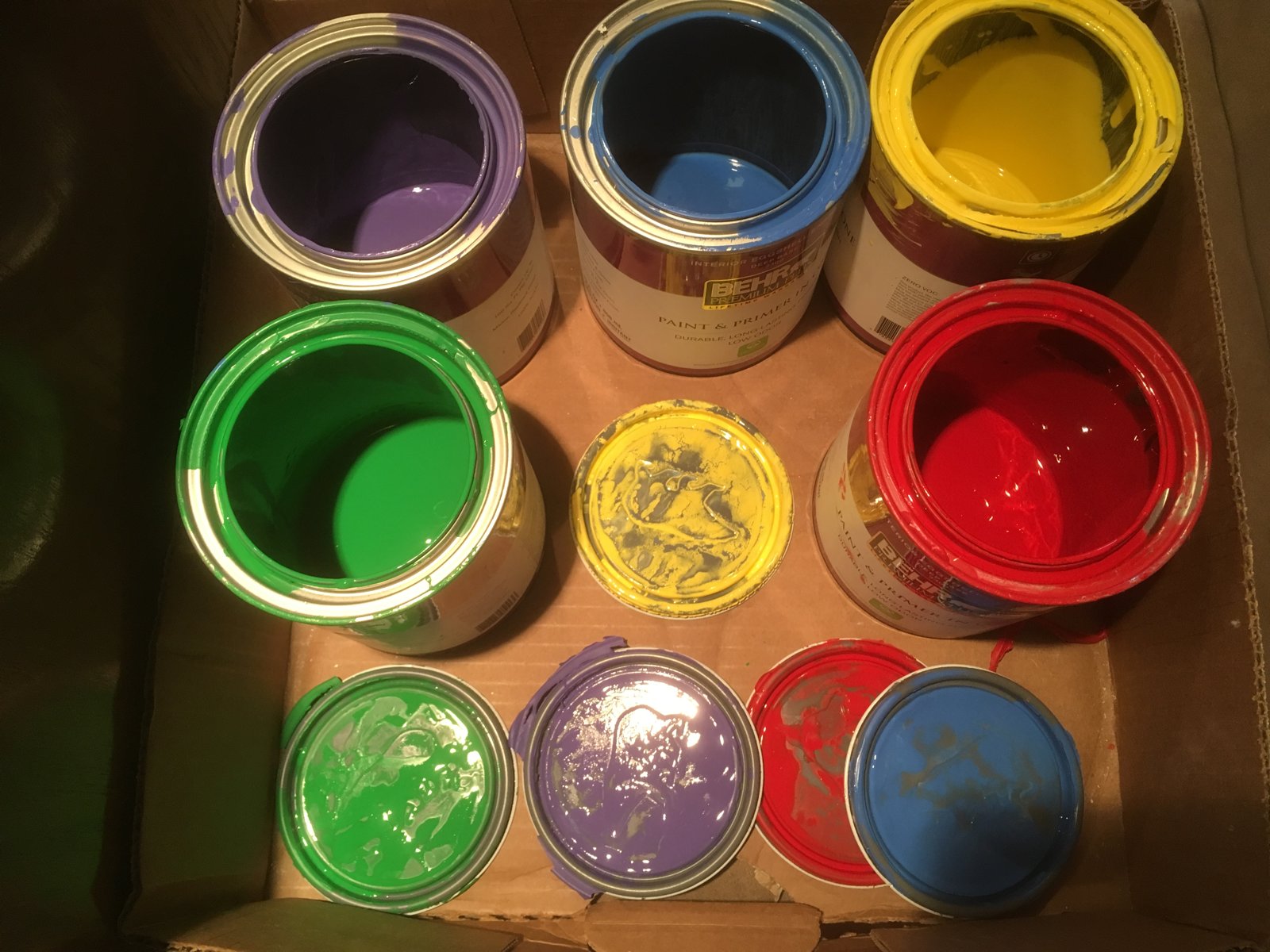

Yes, paint can go bad. Sherwin-Williams and Benjamin Moore say opened latex paint keeps about two years if it is sealed and stored well. Behr lists two years for unopened cans. Oil-based paint can last up to 15 years. Paint that stays lumpy after stirring or smells sour or moldy has spoiled.
Does paint expire?
Paint doesn’t spoil on a set date the way milk does. Paint makers give a shelf life instead. That is how long they expect the paint to work the way it should.
The real answer depends on three things: the type of paint, whether the can has been opened, and how it was stored. A sealed can kept in a cool, dry room can stay good for years. An opened can that froze in the garage may be ruined in one winter.
Benjamin Moore puts it this way: paint can last several years in the can, but only under ideal conditions. That means the paint is clean, the lid is sealed well, the can is mostly full with little air inside, and it is kept cool and dry.
So treat the shelf life as a guide, not a deadline. The best test is to open the can and check the paint. The steps are below.
How long does paint last? Shelf life by type
These are the numbers paint makers publish. Brands don’t all measure the same way, so use them as a starting point. Your own product’s label or technical data sheet has the most exact figure.
- Opened cans go bad faster than sealed ones because air gets in and paint gets on the rim.
- A half-empty can has more air inside than a full one, so it can dry out or skin over sooner.
- Heat, cold and damp all shorten shelf life, whatever the type.
| Product | Unopened can | Opened and resealed | Where the number comes from |
|---|---|---|---|
| Latex (water-based) wall paint | About 2 years under normal conditions (Behr); several years in ideal conditions (Benjamin Moore) | About 2 years | Behr PRO technical data sheet; Sherwin-Williams; Benjamin Moore |
| Oil-based (alkyd) paint | Up to 15 years if stored well | Up to 15 years if stored well; watch for skin and separation | Sherwin-Williams |
| Spray paint (aerosol) | 2 to 5 years (Sherwin-Williams); 5 years for Rust-Oleum Professional Enamel | Same; the can stays sealed | Sherwin-Williams; Rust-Oleum technical data sheet |
| Stain, varnish, primer and specialty coatings | Varies by product | Varies by product | Check the label or the product’s technical data sheet |
How long does paint last once it’s opened?
Sherwin-Williams says opened latex paint keeps for about two years when it is stored properly. Benjamin Moore also gives a two-year shelf life once most paint products are opened.
Oil-based paint holds up longer. Sherwin-Williams says it is less likely to go bad and can last up to 15 years if it is stored well. Its most common problem is a hard skin on top.
Every time you open the can, a little air and dirt get in. Paint from a brush that went back into the can can carry dust or bits of dried paint. That is why it helps to pour what you need into a tray and close the can right away. PaintCare suggests the same thing.
How to tell if paint is bad
You don’t need to guess from the date. Open the can somewhere with fresh air and do these checks. You’ll usually notice a bad smell as soon as the lid comes off, so there is no need to put your nose in the can.
- Look at the top. A layer of clear or yellow liquid is common in old paint. A hard skin on oil-based paint is a warning sign. So are spots of mold.
- Stir for a few minutes with a clean stir stick. Scrape the bottom, where pigment settles.
- Check the texture. Good paint turns smooth and even. Paint that stays lumpy or has jelly-like clumps after stirring has spoiled, according to Benjamin Moore, Sherwin-Williams and PaintCare.
- Notice the smell. A strong sour smell, a rotten-egg smell or a moldy, mildew smell means the paint has gone bad, Sherwin-Williams says.
- Brush a test patch on cardboard or scrap wood. If it goes on smooth and dries without specks, streaks or grit, it’s still usable.
| What you see | Is it still good? | What to do |
|---|---|---|
| Liquid on top that stirs back in | Usually yes | Stir well and test a patch |
| Liquid that won’t mix back in (oil-based) | No | Recycle it |
| Thin skin on oil-based paint | Maybe | Lift the skin out in one piece. If the paint below stirs smooth, strain it before you use it |
| Thick, hard skin or a can that is mostly solid | No | Recycle it |
| Lumps or jelly that won’t stir out | No | Recycle it |
| Sour, rotten-egg or mildew smell | No | Close the lid and recycle it |
| Mold on the surface | No | Close the lid and recycle it |
| Paint that froze once or twice | Maybe | Thaw it at room temperature and stir. Smooth means it’s fine |
| Rusty can or rust flakes in the paint | Often no | Rust can end up in your finish. Check the paint and see the rusty can section below |
What happens if paint freezes?
Latex paint is mostly water, so it can freeze. Behr’s data sheet tells you to keep its paint from freezing. Benjamin Moore warns that a garage in a cold climate can freeze stored paint.
Freezing once doesn’t always ruin it. PaintCare says paint may still be usable after it freezes once or twice. Each freeze and thaw makes it worse.
To check frozen paint, let it thaw slowly at room temperature. Don’t heat it. Then stir it well. If it turns smooth, it’s still good. If it stays lumpy or grainy, it has spoiled.
Oil-based paint handles cold better than latex. It still thickens in the cold, so let it warm to room temperature before you judge it.
How to store paint so it lasts
Is the garage OK? Sherwin-Williams advises against it because garage temperatures swing so much. If the garage is the only spot you have, keep paint off the floor, away from the door and away from water heaters or furnaces. Bring latex inside before it freezes.
For oil-based paint you plan to keep a long time, PaintCare mentions inert gas preservers. These are sprays that push air out of the can before you close it.
- Wipe the rim of the can and the lid clean. Dried paint in the groove stops the lid from sealing.
- Lay a piece of plastic wrap over the opening, then put the lid on. Benjamin Moore, Sherwin-Williams and PaintCare all suggest this.
- Tap the lid closed all the way around with a rubber mallet. A hammer can bend the lid. Open cans with a paint key, not a screwdriver, so the lid still fits next time.
- Write the date you opened it, the room and the color name on the lid with a marker. Don’t cover the brand’s label.
- Store it indoors between 60 and 80 degrees Fahrenheit, the range Benjamin Moore and Sherwin-Williams give. Sherwin-Williams says spray paint does best between 50 and 80 degrees.
- Keep it dry. PaintCare says damp spots make cans rust and labels fall apart.
- Keep it out of reach of kids and pets, and away from food, heaters and open flames.
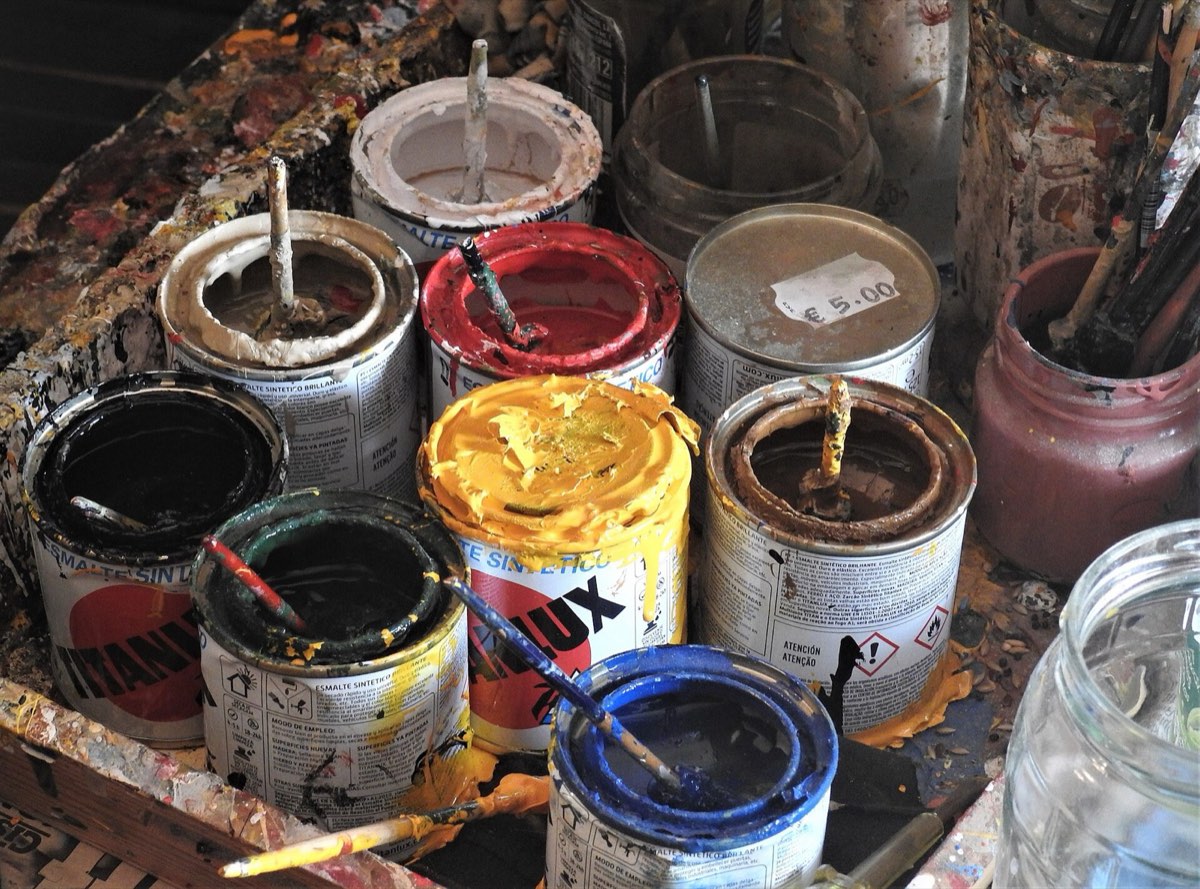

Should you move leftovers to a smaller container?
Less air means paint lasts longer. Benjamin Moore says you can store latex paint in a lined metal can, or in a glass or plastic container sized to hold it with little air.
There is a catch. Recycling programs often want paint in its original can. PaintCare drop-off sites only take paint in the original container with the maker’s printed label. If you move paint to a jar, it can be harder to recycle later.
A middle path: keep a small jar of touch-up paint and leave the rest in the original can. Label the jar with the brand, color name, sheen and room. Never use food or drink containers. EPA warns against storing hazardous products in food containers.
Rusty, unlabeled or very old cans
- Rusty cans: rust flakes can fall into the paint, and a rusted-through can will leak. EPA says corroding containers of hazardous products need special handling. Ask your local hazardous waste program before you move one.
- No label: you can still use it if you know what it is. But PaintCare sites won’t take cans without the original label. Take mystery cans to a household hazardous waste site and tell them it’s unknown.
- Very old cans: a decades-old can may be a product that isn’t sold anymore. Don’t use it on a surface kids touch or chew unless you know what’s in it. Treat it as hazardous waste if you aren’t sure.
- Not sure if it’s latex or oil-based? Check the label for cleanup directions. Soap and water means latex. Mineral spirits means oil-based.
What to do with paint that has gone bad
Bad paint is still paint, so it doesn’t go in the regular trash in many places. In PaintCare states, you can drop it off for free. PaintCare’s rules are about the can, not whether the paint is still good. The can must be the original, labeled, sealed, not leaking and 5 gallons or smaller.
PaintCare runs in California, Colorado, Connecticut, the District of Columbia, Illinois, Maine, Maryland, Minnesota, New York, Oregon, Rhode Island, Vermont and Washington. In other states, check with your county’s household hazardous waste program. Some places let you dry out latex paint and throw it away. Others want all paint dropped off.
Don’t pour old paint down the drain, into a storm drain or on the ground. EPA lists all three as improper disposal.
Paint you won’t use is better passed on
If the paint is still good but you won’t use it, someone else might. PaintCare notes that friends, relatives, community groups and artists may want good leftover paint. Pass it on while it’s still fresh, not after it has sat for five more years.
Checklist
- Open each can somewhere with fresh air and stir it well.
- Recycle any paint that stays lumpy, smells sour or moldy, or has mold on top.
- Clean the rim, add plastic wrap and tap the lid shut with a mallet.
- Write the date, room and color on the lid.
- Store cans indoors, dry, between 60 and 80 degrees.
- Give away good paint you won’t use, and drop off the rest.
Common questions
How long is paint good for in the can?
Brands give about two years for most latex paint. Behr says two years unopened, and Sherwin-Williams and Benjamin Moore say about two years once opened. Oil-based paint can last up to 15 years. Stored well, many cans last longer, so check the paint itself.
Can I use 10-year-old paint?
Maybe. Stir it and paint a test patch. If it’s smooth, smells normal and dries well, you can use it. If it’s lumpy, sour or moldy, recycle it.
Why does my paint smell like rotten eggs?
Sherwin-Williams lists a sour or rotten-egg smell as a sign that paint has gone bad. Don’t use it, because the smell can stay in the room. Close the lid and recycle it.
Is paint still good if it froze?
It might be. PaintCare says paint may still work after freezing once or twice. Thaw it at room temperature and stir. If it gets smooth, it’s fine. If it stays lumpy, it’s spoiled.
Can you store paint in the garage?
It’s not ideal. Sherwin-Williams says garage temperatures swing too much. Paint keeps best between 60 and 80 degrees. If you use the garage, bring latex inside before it can freeze.
Does spray paint expire?
Yes. Sherwin-Williams says spray paint lasts two to five years. Rust-Oleum lists five years for its Professional Enamel spray. An old can may sputter or lose pressure. Shake it and test-spray on scrap first.
Should I store paint cans upside down?
Paint makers we checked don’t say to. What they do say is to clean the rim, use plastic wrap under the lid and close it tight with a mallet. A good seal matters most.
Can I mix old paint into new paint?
Only if the old paint passes the stir and smell checks and is the same type, like latex with latex. Never mix spoiled paint into good paint. It can ruin the whole batch.
Sources
Checked October 7, 2026. Your local drop-off site’s rules come first.
Benjamin Moore: tips for storing leftover paint and shelf life ↗Benjamin Moore: FAQ (how long paint lasts in a can) ↗Sherwin-Williams: how to store and dispose of leftover paint ↗Behr PRO Interior Eggshell technical data sheet (shelf life, freezing) ↗Rust-Oleum Professional Enamel Sprays technical data sheet ↗PaintCare: store it right ↗PaintCare: paint smarter ↗PaintCare: products accepted ↗EPA: household hazardous waste ↗How we research →