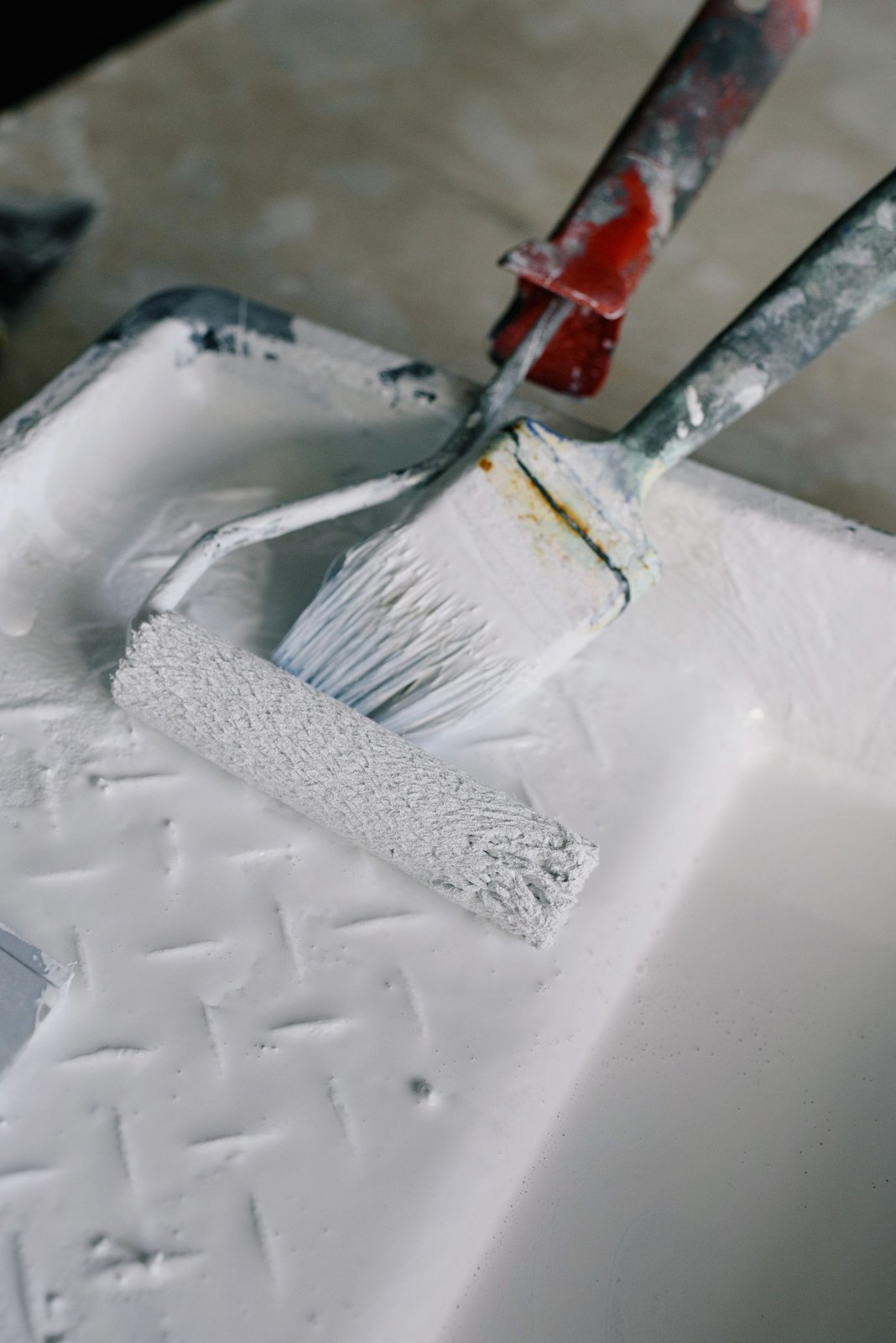
Never leave oily rags in a pile or a trash can. Right after you finish, either hang each rag flat outside to dry, away from buildings, or put them in a metal can, cover them with water and close the lid tight. Then take them to your household hazardous waste site or follow your town’s rules.
Why do oily rags catch fire?
Some oils harden by soaking up oxygen from the air. That reaction gives off heat. NFPA, the national fire safety group, explains that a pile of rags traps the heat. It keeps building until the rags catch fire, with no spark or flame needed.
The fire can start after you’ve cleaned up and walked away. NFPA says an average of 900 home fires a year start when oily rags catch fire or are ignited.
Rags wet with thinner or gasoline are a fire risk too. NFPA notes that vapors from these liquids can catch fire from a spark or flame. Handle them the same careful way.
Which rags are dangerous?
| Rags used with | Can heat up on their own? | What to do |
|---|---|---|
| Linseed oil, boiled linseed oil, tung oil, and oil finishes made with them | Yes | Dry flat outside or seal in water in a metal can |
| Oil-based stain, oil varnish, oil-based paint | Yes | Dry flat outside or seal in water in a metal can |
| Oil-based wood finish with sanding dust or steel wool | Yes | Treat the dust and steel wool like rags |
| Paint thinner, mineral spirits, gasoline | Vapors can catch fire | Dry outside away from flames, or seal and take to hazardous waste |
| Water-based stain, latex or acrylic paint | No (NFPA) | Rinse or let dry, then follow local rules |
| Cooking oil or motor oil towels | Yes, even after washing | Don’t pile them; see the laundry warning below |
Step by step: how to make oily rags safe
- Don’t wad or pile rags while you work. Keep a metal can with a lid nearby.
- When you’re done for the day, pick one of two methods: dry them, or dunk them.
- To dry: take the rags outside. Hang them or spread them flat on the ground, one layer only. Weigh them down so they don’t blow away. Keep them away from your house, garage, deck and anything that can burn.
- To dunk: put the rags in a metal container, cover them with water, and close the lid tight. Minwax’s safety sheet says to do this right away. NFPA’s tip sheet (which has you dry rags first, then store them this way) says to add detergent to the water to help break down the oils.
- Store the closed can in a cool place, out of the sun and away from furnaces, water heaters and other heat.
- Get rid of them the way your town says. Some hazardous waste sites take oily rags in a sealed can. Ask yours how to bring them in.
Where do you take oily rags?
Rules vary by town, so check yours. Here’s how one county handles it.
Hennepin County, Minnesota, takes rags soaked with gas, oil-based paint, oil, solvent and other flammable liquids at its two drop-off sites at no charge. It tells you to put them in a small, airtight metal container with a tight lid, and not to put them in the garbage.
Fire departments like Seattle’s say to check with your town about disposal. Minwax’s safety sheet for its oil-based stain says to dispose of soaked waste according to local fire rules.
PaintCare paint drop-off sites take paint, not rags or cleanup waste. Bring rags to a household hazardous waste site or event instead.
Can you wash oily rags?
Be careful. The National Park Service reported seven cases of oily rags or towels heating up and catching fire on their own over two years, in park kitchens and buildings under renovation. In some cases, towels smoked or caught fire after they were washed and dried. One crate of oil-soaked rags read 300 to 400°F on a thermal camera, then burst into flames when a firefighter carried it outside.
The Park Service says normal washers, dryers and detergents can’t fully remove oil from rags. So don’t count on a home washer and dryer to make oil-soaked rags safe. If you spill an oil finish on your clothes, NFPA says to take them off, let them dry outside, and wash them once dry.
What about shops and job sites?
For workshops, contractors and refinishers, the Park Service suggests UL-certified metal oily waste cans with self-closing lids, kept away from heat. Large amounts of rags from a business usually can’t go to a household site. Ask your county about small business hazardous waste programs or use a licensed hauler.
Do product labels warn about this?
Many do. Minwax’s oil-based stain safety sheet says that rags, steel wool, other soaked waste and sanding residue may catch fire if thrown away wrong. It tells you to put them right away in a sealed, water-filled metal container.
By 1994, Connecticut had passed a law requiring warning labels on drying oil products, such as furniture polishes with linseed or tung oil, according to a 1994 CPSC meeting record. The paint industry’s voluntary labeling guide covers the same hazard. If your can has this warning, take it seriously.
Checklist
- Keep a metal can with a tight lid where you’re working.
- Never wad, pile or bag used rags.
- At day’s end, hang rags flat outside or sink them in water in the closed can.
- Store the can somewhere cool, away from heat and sunlight.
- Call your household hazardous waste site to ask how they want rags brought in.
Common questions
How long does it take for oily rags to catch fire?
There’s no set time. It depends on the oil, how many rags, how tightly they’re piled and how warm it is. Don’t wait to find out. NFPA says to deal with them at the end of each day.
Can I put linseed oil rags in the trash?
Not while they’re wet. Dry them flat outside or seal them in water in a metal can first. Then follow your town’s rules. Some counties, like Hennepin County, MN, want them brought to a hazardous waste site.
Are dry oily rags still dangerous?
Treat them with care. NFPA’s steps have you dry rags outside first and then still store them in a closed metal can of water until disposal. Follow that, and check your town’s rules before trashing them.
Do water-based stain rags catch fire?
No. NFPA says self-heating doesn’t happen with water-based finishes. Still follow local rules for the paint on them.
What container should I use for oily rags?
A metal can with a tight-fitting lid. Fill it with water, plus some detergent, so the rags are covered. Shops often use self-closing oily waste cans.
Can paint thinner rags catch fire on their own?
The bigger danger with thinner is its vapors, which can catch fire from a spark or flame. Hennepin County, MN, takes solvent-soaked rags along with oily rags. Handle them the same way: dry outside away from flames, or seal them and take them to hazardous waste.
Sources
Checked October 7, 2026. Your local drop-off site’s rules come first.
NFPA tip sheet: Safety with oily rags (©NFPA 2019, hosted by City of Bloomington, MN; NFPA’s own link is offline) ↗Seattle Fire Department: how to safely store oily rags ↗National Park Service: spontaneous combustion of oil-soaked rags (2023 alert) ↗Minwax Wood Finish (oil-based stain) safety data sheet ↗Hennepin County: rags with solvent or oil ↗CPSC meeting log: spontaneous combustion of oily rags (1994) ↗PaintCare: accepted and not accepted products ↗EPA: household hazardous waste ↗How we research →