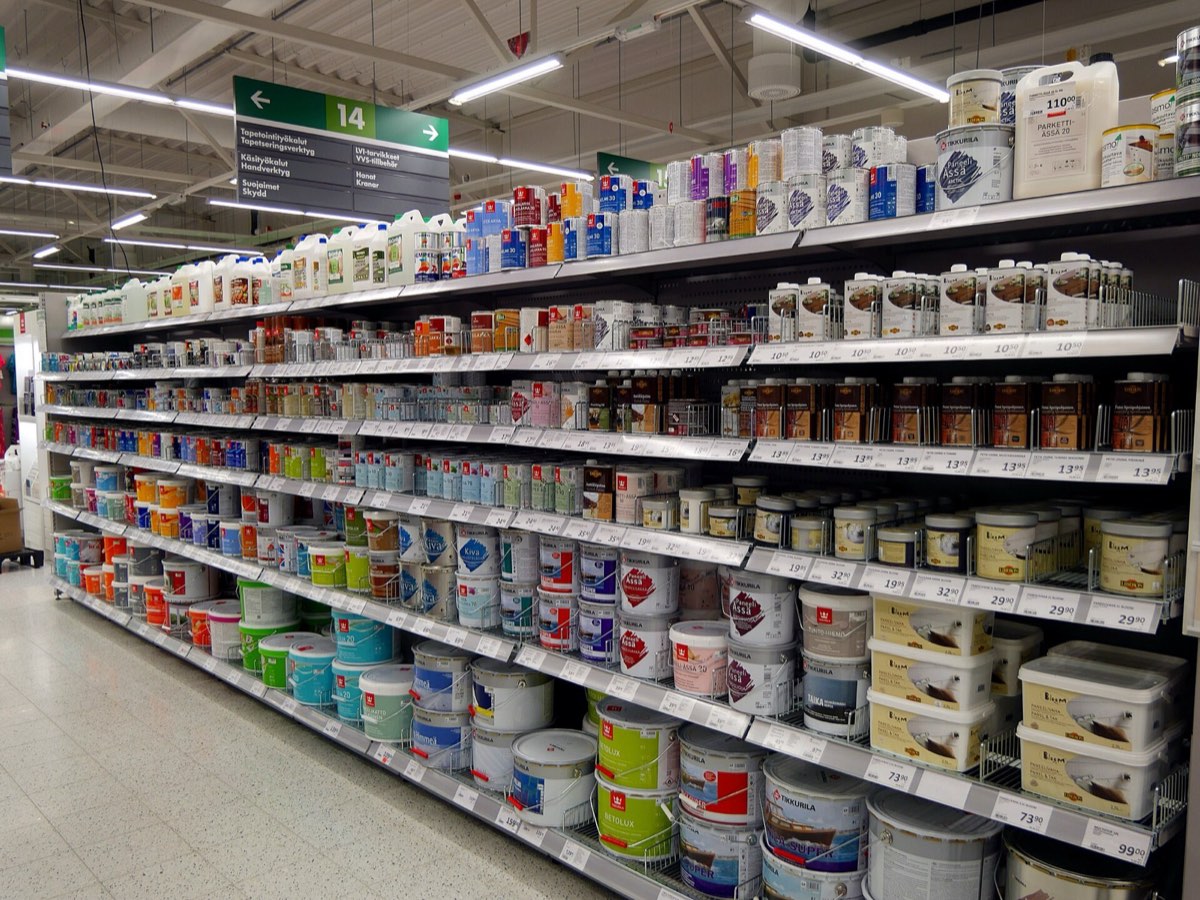

Household hazardous waste is leftover home products that can catch fire, react, explode, corrode or poison. Think oil-based paint, thinner, pesticides, pool chemicals, motor oil and some batteries. Don’t put it in the trash, drains or on the ground. Take it to your city or county hazardous waste site or collection event. Many are free for residents.
What counts as household hazardous waste?
EPA defines household hazardous waste as leftover household products that can catch fire, react or explode, or that are corrosive or toxic. Most homes have some in the garage, under the sink or in the shed.
Look for warning words on the label: danger, warning, caution, flammable, corrosive or poison. Those are good signs a product needs special handling when you’re done with it.
| Product | Where it usually goes | Notes |
|---|---|---|
| Oil-based paint, stain, varnish | Paint drop-off or hazardous waste site | Free paint drop-off in PaintCare states |
| Latex paint | Paint drop-off; trash once dried in many areas | Never trash in California; some hazardous waste sites don’t take it |
| Spray paint and other aerosols | Hazardous waste site | Empty cans may go in the trash in some areas |
| Paint thinner, mineral spirits, solvents | Hazardous waste site | Settled thinner can be reused |
| Pesticides, weed killers, pool chemicals | Hazardous waste site | Never mix chemicals |
| Drain cleaner, oven cleaner, strong cleaners | Hazardous waste site, or use up as directed | Corrosive; keep in original container |
| Motor oil, antifreeze, oil filters | Auto parts stores, service stations or hazardous waste site | Ask local shops if they take used oil |
| Lithium-ion and other rechargeable batteries | Battery drop-off or hazardous waste site | Never in trash or recycling bins; fire risk |
| Alkaline batteries (AA, AAA, etc.) | Trash in most communities | Check your local rules |
| Fluorescent bulbs and tubes | Hazardous waste site or bulb drop-off | Hennepin County, MN, takes up to 25 a year free |
Why it can’t go in the trash or down the drain
EPA warns that pouring these products down the drain, on the ground or into storm drains, or sometimes putting them in the trash, can pollute the environment and harm people. It can also hurt trash and sewer workers.
Storm drains often flow to streams without treatment. Septic systems rely on living bacteria that harsh chemicals can kill. Lithium batteries can spark and start fires in garbage trucks and recycling plants.
Some states go further. California says hazardous waste can’t go in the garbage, down storm drains or onto the ground, and it treats latex paint waste as hazardous too.
Is household hazardous waste regulated?
Federal hazardous waste law exempts waste from homes. That’s true even after it’s collected, hauled and stored. But states and towns still regulate it as solid waste, and many have their own stricter rules.
This is why the rules change when you cross a county line. One county may let you put dried latex paint in the trash. Another may want all paint brought in. One site may take business waste for a fee. Another may refuse it.
Where household hazardous waste goes
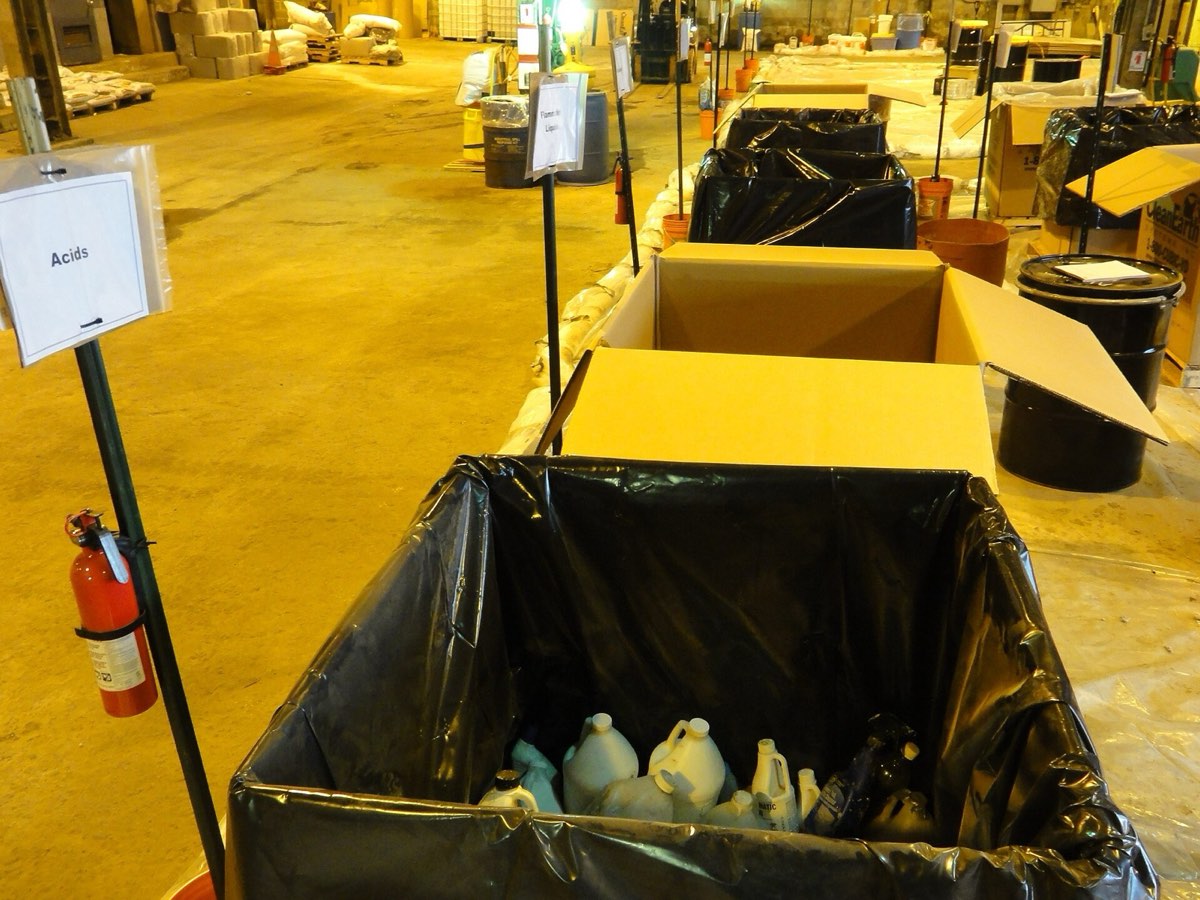
- Permanent hazardous waste sites: run by a city or county, open set days. Often free for residents.
- Collection events: one-day or seasonal events, often in a parking lot or public works yard. Many need sign-up.
- Pickup programs: a few cities and counties pick up from homes. PaintCare offers free paint pickup for 10+ gallons in parts of Colorado, New York and D.C. Ask your waste department what exists near you.
- Store take-back: paint stores in PaintCare states take house paint. Some auto parts stores take used motor oil. Battery drop-offs take rechargeable batteries.
- Paid services: private companies pick up some products, depending on state law.
.jpg)
How to find your local drop-off
- Search your city or county name plus household hazardous waste. Look for an official .gov or county site.
- EPA also suggests searching Earth911 by ZIP code, or calling your local environmental, health or solid waste agency.
- For paint, use PaintCare’s drop-off locator. Paint stores in PaintCare states take house paint, even if your county site doesn’t.
- Check our city guides. For 125 cities, we list local hazardous waste sites and events, who can use them and what they take.
- Call before you go. Confirm hours, what’s accepted, any appointment and proof of address.
Rules you’ll run into
Most programs are for residents only. Hennepin County, MN, takes household hazardous waste only from county households, and asks for proof of residency. It also accepts residents of six nearby metro counties.
Most programs limit how much you can bring. King County, WA, allows up to 50 gallons per trip, in containers of 5 gallons or less. Hennepin County limits paint to three 5-gallon containers a year.
California law caps how much household hazardous waste one person can carry to a collection site per trip without a hauler’s license. The default in the statute is 5 gallons or 50 pounds. A local program can raise it to 15 gallons or 125 pounds, and many do, so check your county’s limit. Since 2022, these limits don’t apply to latex or oil-based paint.
Many programs refuse business waste. Hennepin County doesn’t take business hazardous waste. Rental properties and home businesses may count as businesses.
What most sites won’t take
Every site has its own list. Hennepin County, for example, does not take ammunition, explosives, asbestos, infectious waste, medicines or business hazardous waste. Those usually have their own separate programs.
For ammunition, fireworks or anything that might explode, call your local police or fire department’s non-emergency line. For medicines, look for a drug take-back box.
How to pack and haul it safely
- Keep every product in its original container with the label on. EPA says never remove labels.
- Never mix products, even if they look the same.
- Tighten caps and lids. Set leaking containers inside a larger container.
- Pack items upright in a box or bin, and keep them in the trunk or truck bed.
- Separate items that react, like bleach and ammonia cleaners.
- Stay in your car at drive-through sites unless staff tell you otherwise.
How to store it until you can drop it off
Events may be months away, so you may need to hold products for a while. Store them where kids and pets can’t reach, like a high shelf or locked cabinet in a garage or shed.
Keep flammable products, like oil-based paint, thinner and spray cans, away from heat, flames and pilot lights. Keep lids and caps tight. Don’t stack heavy cans on top of each other.
Keep rechargeable batteries from touching each other. EPA suggests taping the ends or bagging each battery separately, since damaged lithium batteries can spark.
What happens to it after drop-off
Staff sort products by type. Some go back to the community through reuse shelves. Paint is often recycled: PaintCare says most latex paint is made into recycled paint or other products, and oil-based paint is mostly burned as fuel.
Used motor oil can be cleaned and reused, which is why EPA urges recycling it. Batteries go to battery recyclers. Products that can’t be recycled are sent to facilities licensed to treat or dispose of hazardous waste.
Have less to get rid of next time
- Buy only what you need for the job.
- Use products up, following label directions.
- Give good leftovers to someone who can use them.
- Store products in a cool, dry place out of reach of kids and pets.
Checklist
- Collect products with danger, warning, caution, flammable or poison labels.
- Keep everything in its original container.
- Find your city or county hazardous waste site or next event.
- Check residency rules, limits and appointment needs.
- Pack items upright and separate, in the trunk.
- Take house paint to a PaintCare drop-off if your county site doesn’t take it.
Common questions
What are examples of household hazardous waste?
Oil-based paint, paint thinner, spray paint, pesticides, pool chemicals, drain cleaner, motor oil, antifreeze, rechargeable batteries and fluorescent bulbs.
Is paint household hazardous waste?
Oil-based paint is. Latex paint usually isn’t, except in California. Many hazardous waste sites still take both, and PaintCare sites take both in PaintCare states.
Is household hazardous waste disposal free?
Often, for residents. Some programs charge fees or limit free drop-off to a certain amount per year. Business waste usually costs money.
Can I throw household hazardous waste in the trash?
Usually not. A few items, like alkaline batteries and dried latex paint, can go in the trash in many places. Check your local rules.
What should I do if there’s no hazardous waste site near me?
Look for your county’s collection events. Store products safely until then. For paint in a PaintCare state, a paint store drop-off may be closer.
Can I bring hazardous waste from my rental property?
Often not to a household site. Many programs count rentals and home businesses as businesses. Ask your county first.
What’s the difference between hazardous waste and household hazardous waste?
It’s mostly about who makes it. Hazardous waste from businesses is tightly regulated under federal law. The same kind of product from a home is exempt from those rules, but states and towns still control where it goes.
Can I combine leftover chemicals to save space?
No. EPA says never mix household hazardous products. Mixing can cause fumes, heat or fire, and the site won’t know what’s in the container.
Are electronics household hazardous waste?
Electronics are usually handled by separate e-waste programs. Some county hazardous waste sites take them too, sometimes for a fee.
Sources
Checked October 7, 2026. Your local drop-off site’s rules come first.
EPA: household hazardous waste (HHW) ↗40 CFR 261.4(b)(1): household waste exclusion ↗EPA: how to care for your septic system ↗EPA: used household batteries ↗EPA: managing, reusing and recycling used oil ↗CalRecycle: household hazardous waste ↗CalRecycle: paint ↗California Health and Safety Code §25218.5 (CDTFA) ↗California Health and Safety Code §25218.5.1: local limit of 15 gallons or 125 pounds ↗Hennepin County, MN: drop off household hazardous waste ↗King County, WA: oil-based paint ↗King County, WA: spray paint ↗King County, WA: paint thinner ↗PaintCare: products we accept ↗PaintCare: drop-off site locator ↗PaintCare: frequently asked questions ↗How we research →