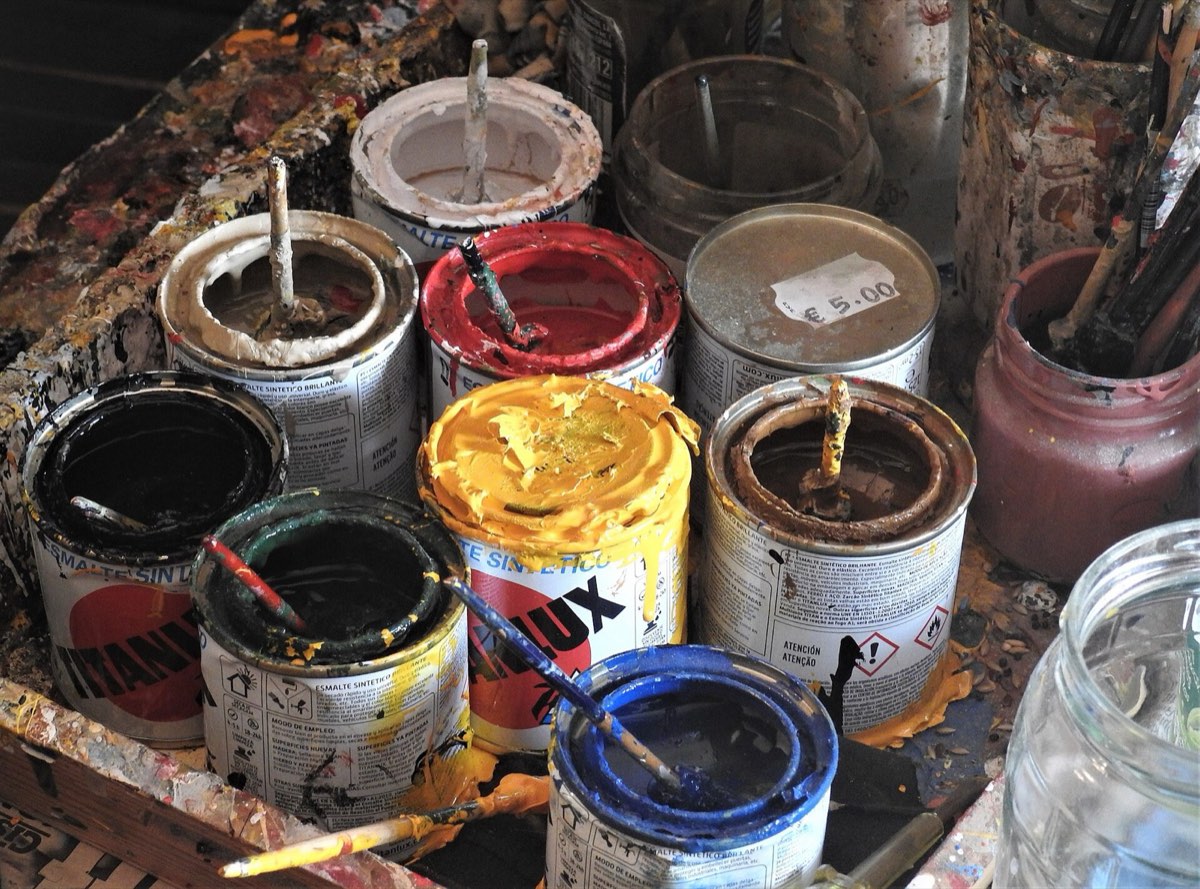

No. Don’t pour leftover paint down a sink, toilet, storm drain or onto the ground. It can clog pipes, harm septic systems and pollute streams. The one exception: if your home is on city sewer, many cities let you rinse latex paint brushes in the sink. Never rinse oil-based paint or thinner down any drain.
Why paint doesn’t go down the drain
EPA warns against pouring household hazardous products down the drain, on the ground or into storm drains. They can pollute water, harm people and damage septic and sewer systems.
Paint is made to stick and harden. In pipes, it can coat the walls and help cause clogs. Oil-based paint and thinner also carry solvents that burn and give off fumes.
In California, the rule is clear: CalRecycle says paint is prohibited from disposal on land or in water.
Storm drains, sinks, toilets and septic tanks
Storm drains are the grates in streets and parking lots. In many places, they carry water to creeks and lakes without treatment. Bellingham, WA, says washing paint gear into its storm system is a water quality violation.
City sewer pipes go to a treatment plant, which is why small amounts of latex rinse water are often allowed. Septic systems are different. EPA says they rely on living organisms to break down waste, and it says never to pour oil-based paints or solvents down the drain.
| Drain | Leftover paint | Latex brush rinse water | Oil-based paint or thinner |
|---|---|---|---|
| Storm drain, street, ditch or yard | No | No | No |
| Sink or toilet on city sewer | No | Often yes, in small amounts; check your city | No |
| Sink or toilet on a septic system | No | No | No |
How to clean latex brushes and rollers the right way
- Before washing, brush or roll out as much paint as you can onto newspaper or cardboard. Let that dry and put it in the trash.
- Scrape the roller cover with a putty knife or the curved edge of a roller tool back into the can.
- If you’re on city sewer, rinse brushes and rollers in a utility sink or laundry sink, not outside.
- On a septic system, rinse into a bucket instead. Let the paint settle, pour the clear water off, and let the sludge dry for the trash. Bellingham suggests taking septic users’ rinse water to a site that’s on city sewer.
- Never rinse brushes outside where water can flow to a street, ditch or storm drain.
Cleaning oil-based brushes without the drain
Oil-based paint cleans up with paint thinner or mineral spirits. None of it goes down the drain.
Clean brushes in a small amount of thinner in a jar. Cover the jar and let it sit until the paint settles to the bottom. Pour the clear thinner into another container to use again. King County says to wrap the leftover sludge in plastic for the trash and take liquid thinner to a hazardous waste site.
Rags and paper towels wet with oil-based paint or stain can catch fire on their own as they dry. Lay them flat outside to dry, away from buildings. Then store them in a closed metal can filled with water and detergent.
What to do with leftover paint instead
- Use it up or give it away.
- Take it to a free PaintCare drop-off if you live in a PaintCare state.
- Take it to a household hazardous waste site or event.
- Dry out small amounts of latex paint and put the can in the trash with the lid off, where allowed. Not in California.
- For lots of paint, look into free or paid pickup.
What if paint already went down the drain?
Run plenty of water to rinse it through. Don’t add drain cleaner or other chemicals, since mixing can make things worse. EPA suggests boiling water or a drain snake for clogs instead of chemical drain openers.
If paint went into a storm drain or onto the street, or if a large amount went down a sink, call your city’s public works or wastewater utility. Tell them what spilled and how much. They would much rather hear about it early.
Checklist
- Brush out extra paint onto cardboard before washing.
- Rinse latex brushes only in a sink on city sewer.
- Use a bucket instead if you’re on a septic system.
- Settle and reuse paint thinner instead of pouring it out.
- Take leftover paint to a drop-off or hazardous waste site.
Common questions
Can I pour latex paint down the drain?
Not leftover paint. Small amounts of latex brush rinse water are often allowed in a sink on city sewer. Never on a septic system.
Can I wash paint brushes in the kitchen sink?
For latex paint on city sewer, it’s usually allowed, but a utility sink is better. Wipe brushes on cardboard first so less paint goes down the drain.
Can you pour paint down the toilet?
No. A toilet drains to the same sewer or septic system as your sinks. Leftover paint can clog pipes and harm septic systems.
Is it OK to rinse paint brushes outside with a hose?
No. Rinse water can run to a storm drain and then to a creek or lake without treatment. Some cities call it a water quality violation.
Can I pour paint thinner down the drain?
No. Let used thinner settle, reuse the clear part, and take the rest to household hazardous waste.
What about acrylic craft paint water?
Acrylic paint is water-based, like latex. Small amounts of rinse water usually follow the same rule: a sink on city sewer, never septic or outdoors. Ask your city if you’re unsure.
Sources
Checked October 7, 2026. Your local drop-off site’s rules come first.
EPA: household hazardous waste (HHW) ↗EPA: how to care for your septic system ↗CalRecycle: paint ↗City of Bellingham, WA: paint disposal and storm drains ↗King County, WA: paint thinner ↗King County, WA: latex, water-based or acrylic paint ↗NFPA safety tip sheet: oily rags (City of Bloomington, MN copy) ↗PaintCare: frequently asked questions ↗PaintCare: drop-off site locator ↗How we research →