.jpg)
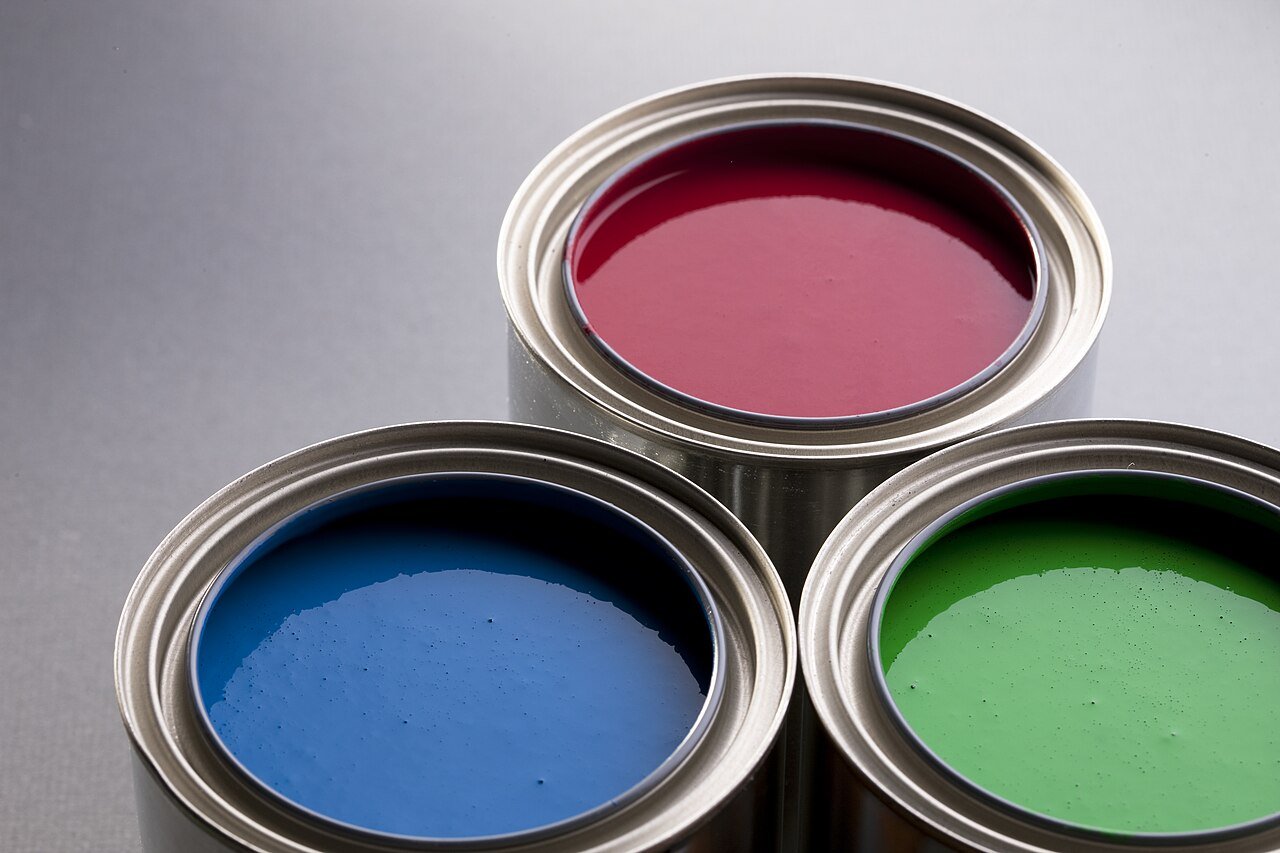
Recycled paint is sorted first. Good latex paint is mixed by color, filtered, tested and sold again as recycled-content paint. Latex that's too far gone may go into concrete or landscaping products. Oil-based paint is mostly burned as fuel. Usable cans may be given away for reuse, and most empty cans are recycled as metal or plastic.
The short version: four places paint can end up
Not every can gets the same treatment. What happens depends on the type of paint and its condition. In PaintCare states, PaintCare says it aims for the "highest, best use" for each can.
| What happens | What it means | Usually for |
|---|---|---|
| Reuse | Someone takes the paint home and uses it as is | Full or nearly full cans of good paint |
| Paint-to-paint recycling | Mixed with other paint, adjusted and sold as recycled-content paint | Most good latex paint |
| Other products | Used in concrete mixes, landscaping materials or landfill cover | Latex that can't become paint |
| Fuel (energy recovery) | Blended into fuel and burned for its energy | Most oil-based paint |
| Landfill | Thrown away | A small share of paint and some cans |
Step 1: Collection and sorting
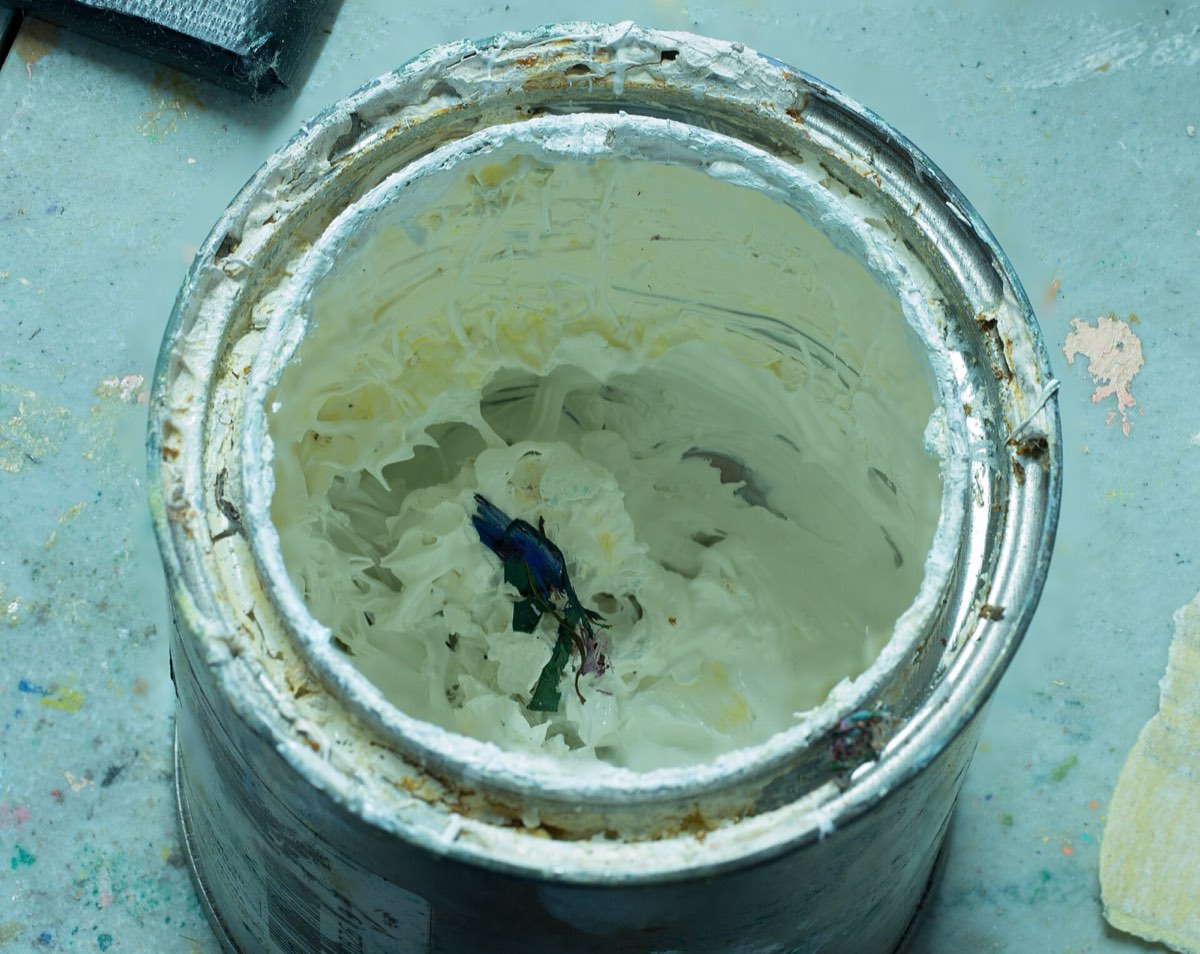
Paint from stores and county sites is packed into bins or pallets and trucked to a paint processor. There, workers open and look at each can.
Sorting is the most important step. A recycled paint maker, Amazon Environmental in Minnesota, explains it this way: only good paint should go into recycled paint. Paint that has started to harden, curdled, soured, grown bacteria or rusted is not used.
Workers separate water-based (latex) from oil-based paint. Then they sort the good latex by color. GDB International in Illinois says it sorts by color, sheen and type, and puts all brands of white paint together by sheen.
.jpg)
Step 2: Latex paint becomes new paint
This is called paint-to-paint recycling. Here is how two recycled paint makers describe it:
- Good latex paint is poured into totes or drums by color group, such as white, off-white, green, red, blue and yellow.
- Paint is poured through metal mesh screens to catch skins, chips and debris.
- The right colors are picked for a batch and pumped into a large mixing tank.
- The batch is tested for things like color, gloss, how well it covers (opacity) and pH.
- Paint chemists add what's needed to meet the spec. That can include binders, thickeners, pH stabilizers, pigment, and a biocide and preservative so it keeps. GDB adds titanium dioxide to make whites bright.
- The paint is fine-filtered. GDB says it filters to 300 microns.
- It's packaged, labeled and sold.
Is recycled paint any good?
It can be. In a presentation to Connecticut officials, Amazon Environmental said its recycled paint was certified by Green Seal and approved by the Master Painters Institute, which tests samples several times a year against the same specs as new paint. It also said recycled paint generally sells for about half the price of similar new paint.
The trade-off is color choice. Recycled paint comes in a set range of colors, since it's made from what people turn in. Stores usually don't tint it. GDB, for example, makes 16 standard colors.
Want to buy some? PaintCare keeps a list of places known to sell recycled-content paint. Call first to make sure they have it in stock.
What about latex paint that can't be recycled?
Some latex is too old, frozen, moldy or hard to make into good paint. PaintCare says some latex is used in concrete mixtures, landscaping materials, or as part of daily cover at landfills. CalRecycle says California's program turns paint into products like retaining wall blocks, landscape stones and parking stops.
Amazon Environmental also makes other products from paint it can't use for new paint.
Step 3: Oil-based paint is mostly used as fuel
Oil-based paint, stain and varnish are mostly sent to be blended into fuel. That fuel is burned in industrial kilns or boilers to recover its energy. PaintCare says a small share of oil-based paint is recycled into new paint in some states.
Energy recovery is not the same as making new paint. But it puts the energy in the paint to use instead of burying the paint in a landfill. In Oregon in 2023, PaintCare reported that more than 99% of oil-based paint was reused or used for energy recovery.
Step 4: The cans get recycled
PaintCare says most containers are recycled by paint processors. Some go to a landfill if they can't be recycled.
GDB International says it dries out all cans, metal, plastic and mixed, and processes them by machine. Metal cans are baled and sent for recycling.
Reuse: the best outcome
Paint that someone uses as is skips all of this. Many county hazardous waste sites and some PaintCare sites set aside good cans for people to take for free. PaintCare calls its reuse program PaintShare. It also runs giveaway events where people take paint first come, first served.
If your paint is still good, you can also give it to a neighbor, a school, a theater group or a Habitat for Humanity ReStore. See our guide to donating paint.
How much paint actually gets recycled?
PaintCare publishes yearly results for each state. A few recent ones:
- Oregon, 2023: about 649,000 gallons were collected. Latex was 76% of it, and 73% of that latex was recycled back into paint.
- Washington, 2024: more than 1 million gallons were collected, and 86% of latex was made into recycled-content paint.
- District of Columbia, 2024: more than 25,000 gallons collected, and 82% of latex was made into recycled-content paint.
Outside PaintCare states
In states without PaintCare, what happens depends on your county. Some hazardous waste programs send latex to the same kinds of processors. Others solidify latex and landfill it, or tell residents to dry it for the trash. Oil-based paint from these programs is usually handled as hazardous waste. Ask your county site what it does with the paint it collects.
Checklist
- Keep paint from freezing and keep lids tight so it stays recyclable.
- Leave paint in its original, labeled can.
- Give away good paint first, so it can be used as is.
- Separate latex from oil-based paint when you drop off.
- Ask your drop-off site what it does with the paint.
- Consider buying recycled-content paint for your next project.
Common questions
Is old paint really recycled into new paint?
Much of it is. Good latex paint is sorted by color, mixed, tested and sold as recycled-content paint. In 2024, PaintCare said 86% of latex collected in Washington became recycled-content paint.
Can oil-based paint be recycled?
Mostly it's used as fuel instead. PaintCare says a small share is made into new paint in some states.
Where can I buy recycled paint?
PaintCare keeps a list of places known to sell recycled-content paint. Some county hazardous waste sites and reuse stores also give away or sell leftover paint.
Is recycled paint as good as new paint?
It can be. Amazon Environmental says its paint is tested against the same specs as new paint. Colors are limited to a standard range.
Why can't frozen or moldy paint be recycled into paint?
Paint that has frozen, soured, curdled or grown mold or bacteria won't make good paint. Processors leave it out of new batches and use it in other products or dispose of it.
What happens to the empty paint cans?
Processors dry them out and recycle most of them as metal or plastic. Some go to a landfill if they can't be recycled.
Does dried paint in the trash get recycled?
No. Dried paint in your trash goes to the landfill with the rest of your garbage.
Sources
Checked October 7, 2026. Your local drop-off site’s rules come first.
PaintCare: Frequently asked questions (what happens to the paint) ↗PaintCare: PaintShare reuse programs ↗PaintCare: Oregon 2023 results ↗PaintCare: Washington 2024 results ↗PaintCare: District of Columbia 2024 results ↗Amazon Environmental: How latex paint is recycled (presentation hosted by Connecticut DEEP) ↗PCI Magazine: GDB International paint recycling feature (March 2022) ↗CalRecycle: Paint ↗Oregon Metro: MetroPaint ↗How we research →